


Brass & Woodwind Servicing
Professional brass & woodwind servicing usually require a full tear-down, deep clean, lubrication, and play-adjustment of the instrument, with worn parts checked and minor issues fixed so it plays freely and reliably. It typically complements (not replaces) the player’s own regular cleaning and oiling.
What a standard service includes
Nairobi Piano Technicians offer a “standard” or “annual” brass service that typically covers:
Initial assessment and play test to check response, intonation, valve/slide action, and obvious faults.
Complete disassembly (valves, slides, caps, mouthpiece) and degreasing of all parts.
Internal clean: chemical or ultrasonic bath to remove scale, biofilm, and old grease from tubing and slides.
External clean and polish of body, slides, and mouthpiece, plus disinfection/sterilization of anything that goes near the mouth.
Lubrication: fresh valve oil, rotor/bearing/linkage oil where applicable, and slide grease/cream on all tuning and hand slides.
- Reassembly, valve alignment and slide adjustment, then final play test and minor tweaks.
Internal cleaning and decontamination
The deep clean is the main difference between home maintenance and professional servicing.
- Technicians typically use either an ultrasonic bath or controlled chemical cleaning solution to strip mineral deposits, corrosion beginnings, and organic buildup from the bore.
Slides and tubing are often additionally brushed with flexible “snake” cleaners and soft brushes before being rinsed and thoroughly dried to prevent corrosion.
- Mouthpieces receive targeted brushing and a separate disinfect/sanitize step because they collect the most residue and bacteria.
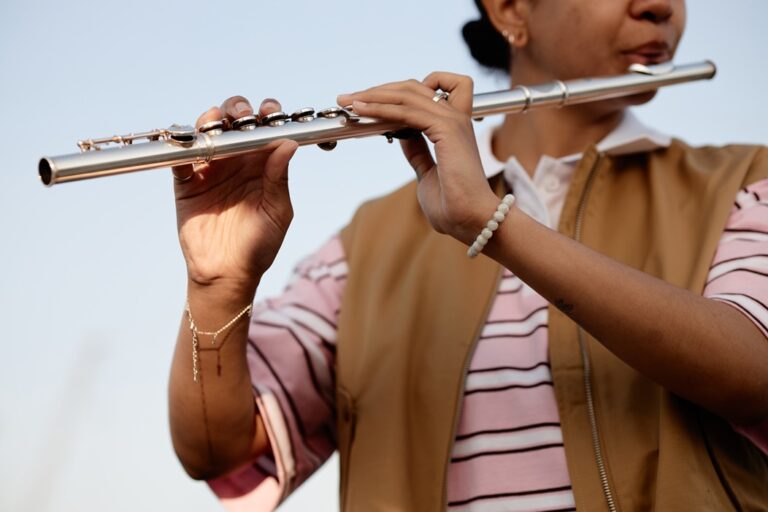

Mechanical checks and adjustments
Beyond cleaning, servicing restores smooth, quiet mechanical action.
- Piston instruments: valve casings are cleaned, pistons inspected for wear, guides and springs checked, felts replaced as needed, and valve alignment verified so ports line up properly.
- Rotary instruments (horns, some tubas): spindle bearings, rotors, and linkages are oiled; strings or mechanical linkages are reset or replaced; rotor alignment and lever travel are adjusted.
- All brass: tuning and hand slides are cleaned, checked for straightness, aligned, and lubricated; seized slides are freed where possible.
- Water keys: corks, springs, and hinges are inspected and replaced if leaking or weak.
Common extra repair work
If issues are found, they are usually quoted on top of the standard service fee.
- Dent removal in bells, bows, and slide crooks to improve appearance and airflow.
- Repairing or replacing bent/creased slides, damaged valve casings, loose solder joints, or cracked braces.
- Corrosion treatment (including “red rot” in lead-pipes) or replacing badly affected parts.
- Hardware fixes like stuck mouthpieces, stripped threads, loose finger buttons, or damaged case fittings.
How often and what you still do yourself
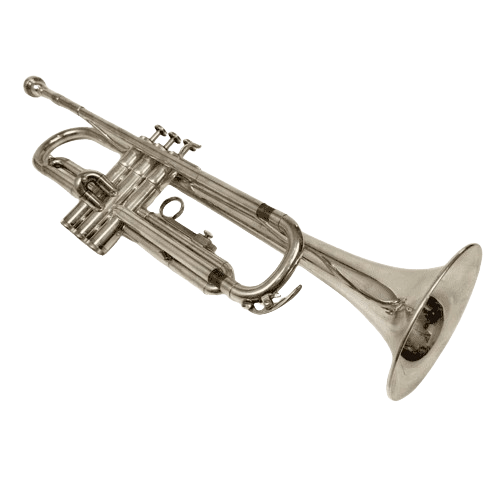
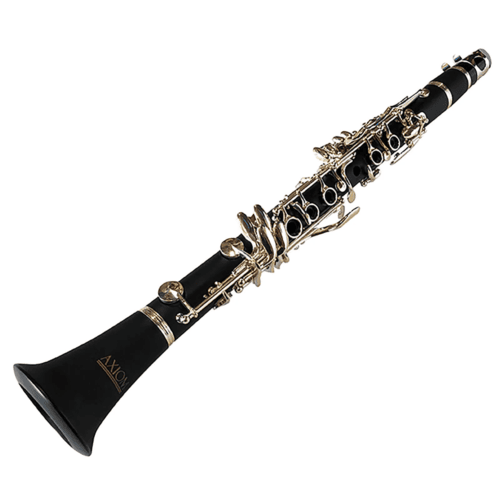
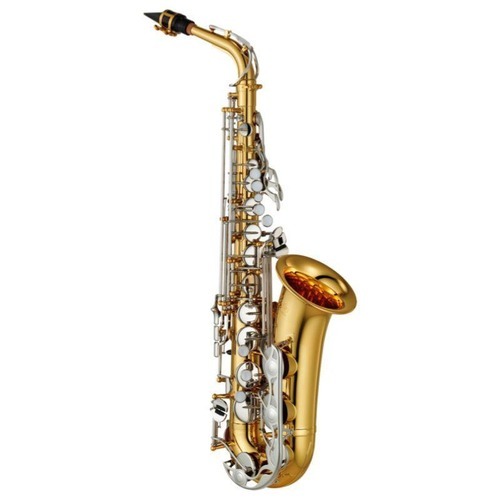
Shops commonly recommend a professional service roughly once a year for regularly played instruments, more often in heavy school or professional use. Between services, the player is still expected to:
- Oil valves or rotors frequently, keep slides moving and greased, and empty water regularly.
- Clean the mouthpiece and wipe down the exterior at least weekly, and do a basic warm-soapy-water bath a few times a year for piston instruments if taught how to do it safely.
Contact us today to discuss your instrument and the servicing needs required.